Don’t Let the Art Die: How Interior Designers Preserve Art in Modern Homes
Introduction
Art has always been a natural part of human living spaces. From ancient hand-painted walls to carved wooden doors and woven textiles, homes have always reflected creativity and cultural expression. In many traditional societies, art wasn’t just decoration—it was a way of life.
Today, that artistic responsibility has evolved. While traditional art forms like Madhubani art continue to represent heritage and storytelling, modern homes rely heavily on interior designers to keep creativity alive.
Interior designers are more than decorators. They are modern-day artists who transform ordinary spaces into meaningful environments that reflect personality, culture, and lifestyle.
When people say “Don’t let the art die,” they are talking about preserving creativity, craftsmanship, and emotional depth within our homes. Interior designers play a crucial role in keeping that artistic tradition alive.
Art Has Always Lived in Our Homes
Long before the rise of modern architecture and modular furniture, homes were filled with artistic elements.
Art lived in:
- Hand-painted walls
- Intricately carved doors
- Handmade wooden furniture
- Decorative metalwork
- Handwoven fabrics and textiles
These elements were not only visually appealing but also deeply connected to culture and identity.
In India, for example, traditional art forms such as Madhubani paintings, Warli art, and handcrafted woodwork were often integrated into homes as a natural expression of creativity.
However, as urbanization and modern housing increased, many homes began to look similar—minimalistic, standardized, and sometimes lacking personality.
This is where interior designers step in.
They bring creativity back into living spaces while balancing modern practicality.
Interior Designers: The Modern-Day Artists of Living Spaces
Many people misunderstand what interior designers actually do.
When someone hears the term interior design, they often imagine simple tasks such as:
- Selecting wall colors
- Choosing furniture
- Matching curtains with sofas
But the truth is far more complex.
Interior designers combine art, science, engineering, and psychology to create functional yet beautiful living environments.
Before any physical work begins, designers spend significant time analyzing the space.
They carefully study:
- Daily routines of residents
- Natural light movement throughout the day
- Ventilation and airflow
- Structural limitations of the building
- Electrical and plumbing layouts
- Storage requirements
- Traffic flow within the home
Their goal is to create a design that looks beautiful while improving how people live inside the space.
This is why interior design is often described as art supported by science.
The Invisible Work You Never See
Much of the effort of an interior designer happens behind the scenes. Homeowners usually see the final result but rarely the months of planning that go into it.
Let’s explore some of the most important aspects of interior design that remain invisible to most people.
- Concept Development
Every successful design project begins with a concept.
Interior designers translate a homeowner’s personality and lifestyle into a visual design language.
They ask questions like:
- Do you prefer a minimal style?
- Do you like traditional aesthetics?
- Do you enjoy luxury elements?
- Do you need practical and functional spaces?
Based on these answers, designers create a cohesive design concept.
This concept guides every decision—from color palettes to furniture styles, lighting designs, and materials.
Without a strong concept, a home may look random and disconnected.
- Space Optimization
Modern urban homes are often smaller than traditional houses. This makes intelligent space planning extremely important.
Interior designers analyze every inch of available space.
They develop solutions such as:
- Hidden storage compartments
- Multifunctional furniture
- Modular wardrobes
- Space-saving kitchen layouts
- Convertible furniture
These creative solutions allow small homes to feel spacious and organized.
Good design transforms limited square footage into comfortable and efficient living areas.
- Material Research
Designers do not randomly choose materials.
Every material must be carefully selected based on:
- Durability
- Maintenance requirements
- Climate suitability
- Budget constraints
- Long-term performance
For example, designers may research:
- Which type of wood resists humidity
- Which laminates maintain color over time
- Which flooring materials are easy to maintain
- Which lighting temperatures create a relaxing atmosphere
Each material decision directly affects the comfort and functionality of a home.
- Budget Balancing
One of the most important roles of an interior designer is managing the project budget.
Many homeowners believe hiring a designer increases costs. In reality, experienced designers often save money.
They do this by:
- Preventing costly design mistakes
- Avoiding material wastage
- Selecting cost-effective alternatives
- Coordinating contractors efficiently
- Reducing rework during construction
Without professional planning, even a small renovation can quickly exceed its budget.
Design is not an unnecessary expense.
Poor planning is the real expense.
Preserving Art Through Interior Design
Interior designers play an important role in protecting cultural identity within modern homes.
Just as traditional art forms like Madhubani art preserve centuries of storytelling, designers ensure that culture continues to live within contemporary spaces.
They achieve this by:
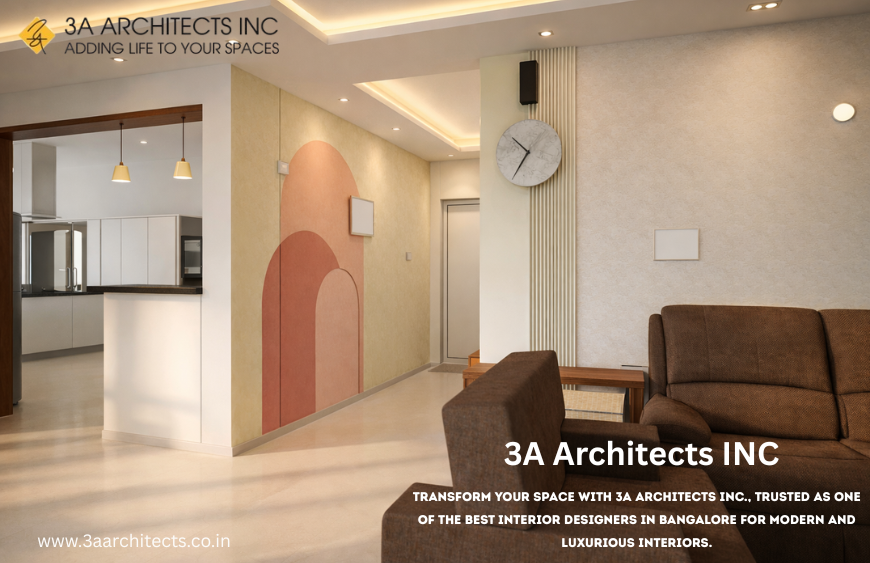
- Incorporating traditional motifs into modern walls
- Blending handcrafted decor with modular furniture
- Using work created by local artisans
- Integrating cultural symbols into architectural details
This thoughtful approach helps maintain a connection between heritage and modern living.
Without designers who value cultural storytelling, homes can easily become copies of trendy catalog images—beautiful but lacking emotional depth.
Emotional Intelligence in Interior Design
Interior design is not only about visual beauty.
It is also about understanding human behavior and emotions.
Interior designers observe how people interact within their homes.
They analyze:
- Where families naturally gather
- How children use study areas
- Where elders prefer to relax
- How guests move through the space
Based on these observations, designers create layouts that support comfort and emotional well-being.
For example:
A well-designed living room encourages conversation and bonding.
A thoughtfully designed kitchen reduces stress during daily cooking routines.
A peaceful bedroom layout improves sleep quality.
These emotional benefits often go unnoticed but have a profound impact on daily life.
Coordination: The Hardest Art of All
Designing a home involves coordinating multiple professionals.
Interior designers manage complex teams including:
- Carpenters
- Electricians
- Plumbers
- Painters
- Fabricators
- Material suppliers
They handle scheduling, problem-solving, quality control, and site supervision.
Unexpected challenges often arise during construction, such as structural changes or material delays.
Designers must quickly adapt and find solutions while maintaining the project timeline.
This ability to manage people, processes, and creativity simultaneously is a skill that requires experience and patience.
Art Evolves — And Designers Keep It Alive
Traditional art once appeared on mud walls using natural dyes.
Today, interior designers express creativity using modern materials such as:
- Textures
- Lighting effects
- Architectural shapes
- Modular structures
- Innovative furniture
Although the medium has changed, the purpose remains the same: to create meaningful living environments.
Interior designers continue the artistic legacy of earlier generations—only through different tools.
Don’t Let the Art Die
When homeowners invest in thoughtful interior design, they are doing much more than decorating their homes.
They are:
- Supporting creativity
- Encouraging craftsmanship
- Preserving cultural identity
- Enhancing everyday living experiences
Art is not limited to paintings hanging on walls.
Art exists in the way a home functions.
Art exists in the atmosphere a space creates.
Interior designers are not just decorators—they are planners, artists, engineers, psychologists, and problem-solvers.
Their work shapes the spaces where people live, relax, celebrate, and grow.
Conclusion
Art has always been a fundamental part of human living spaces. From traditional wall paintings to handcrafted furniture, creativity has shaped the homes we live in.
In modern times, interior designers carry the responsibility of keeping that artistic spirit alive.
They combine technical expertise, cultural understanding, and emotional insight to create spaces that are both beautiful and functional.
By appreciating and supporting thoughtful design, we ensure that creativity continues to thrive in our homes.
So the message is simple yet powerful:
Don’t let the art die. Celebrate it — in tradition, in creativity, and in the spaces we call home.